
Today I'm Sharing My Best Tips For Cutting and Sewing Fleece Like A Pro! Plus, Grab My Free Sewing Patterns Just For Fleece.
Today I'm sharing everything I know about fleece - what it is, the different types available, pattern suggestions, and all my best tips for working with this awesome fabric!

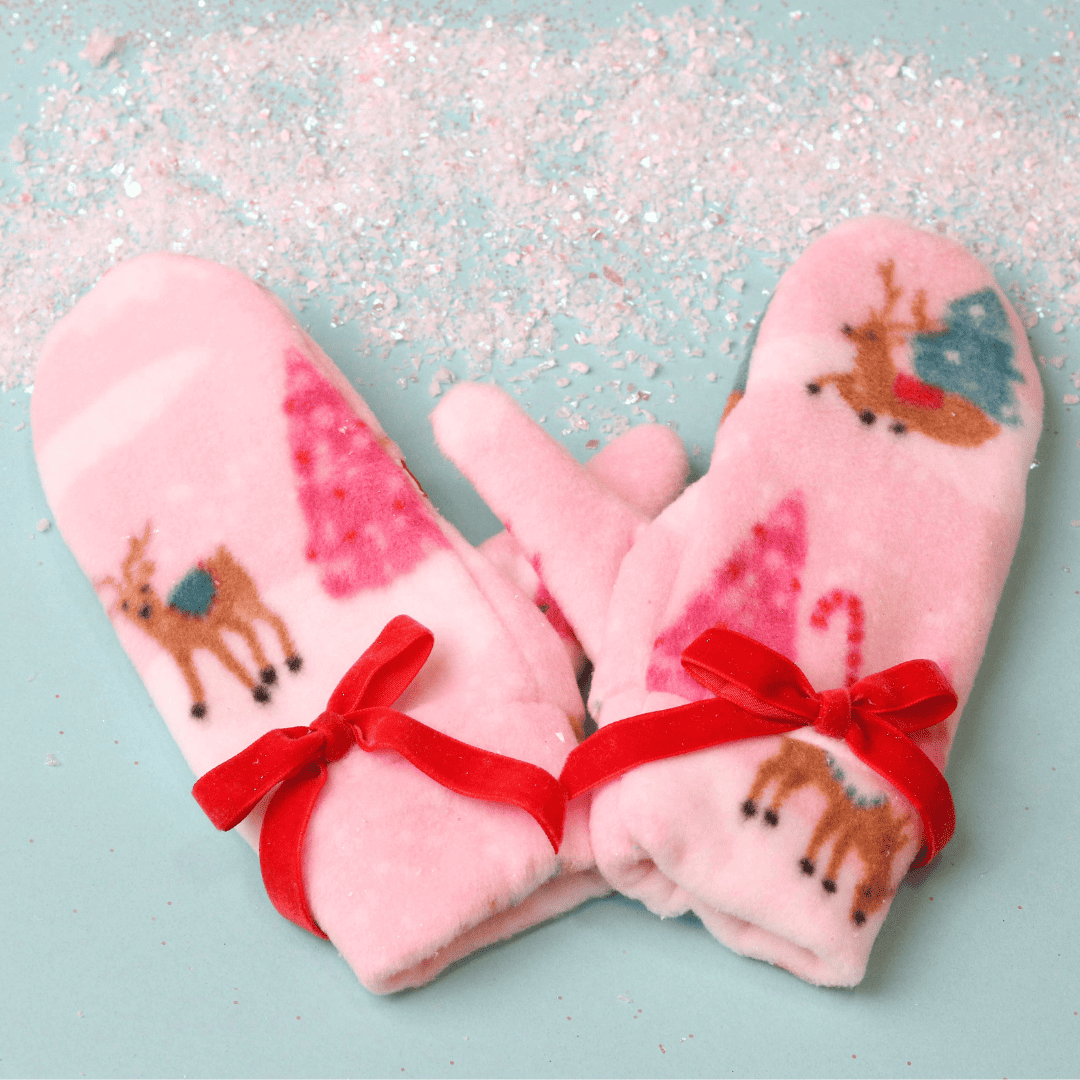
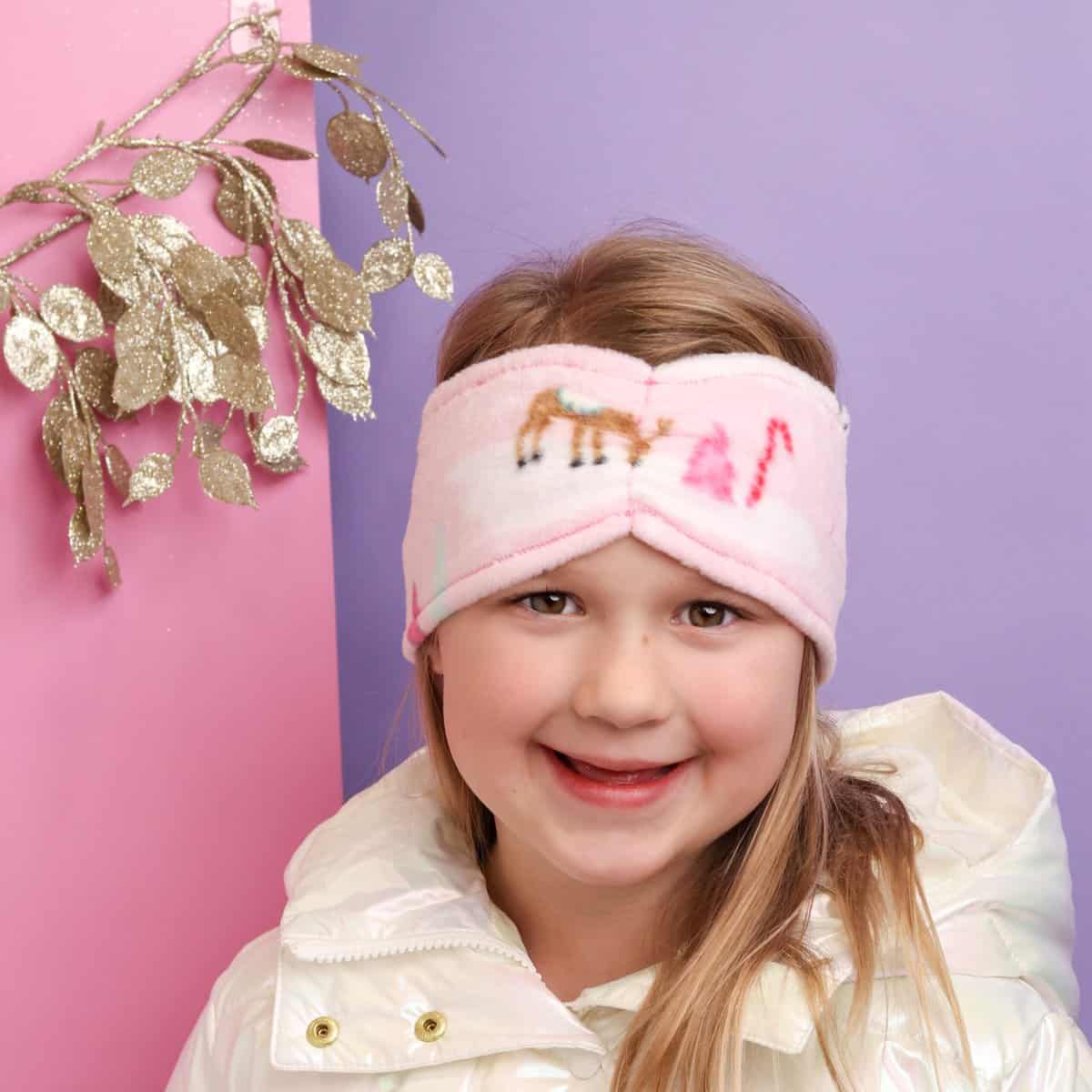
Fleece is one of the coziest, most versatile, and most affordable fabrics. It's one of the best fabrics for a beginner sewist to experiment with!
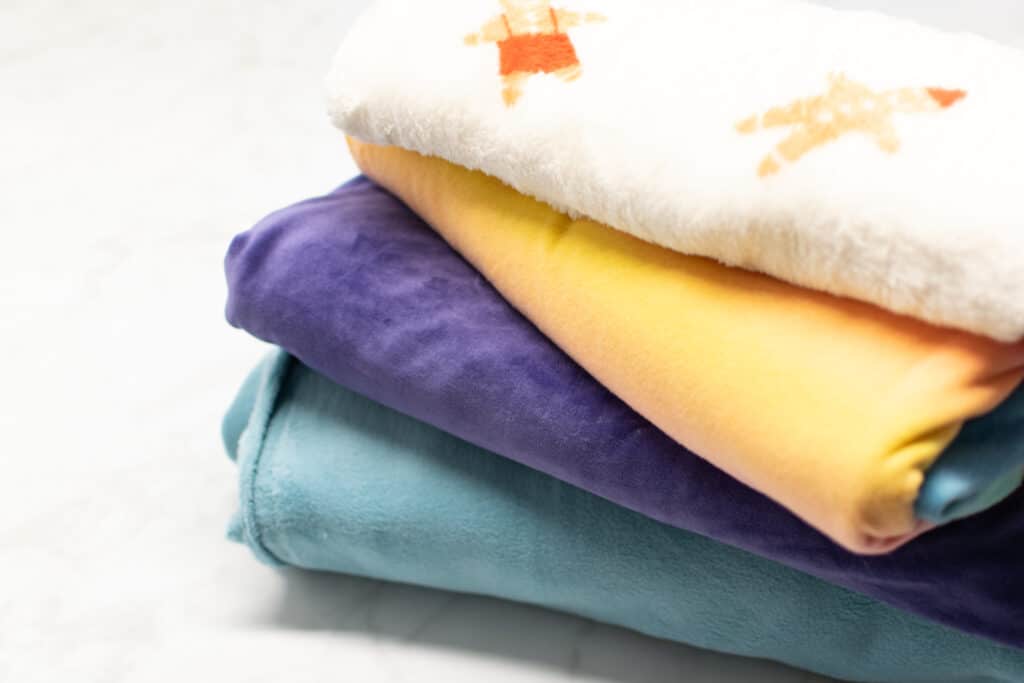
Table of Contents
What is Fleece Fabric?
Fleece is a soft, fluffy fabric that is often used in sweaters, jackets, and other outerwear due to its insulating properties, cozy feel, and light weight. Fleece is a fabric with a "pile" - this means that the fabric is textured and has raised fibers on its surface. This textured surface can be on one or both sides of the fabric and creates lots of surface area to trap air within the fabric and near the skin. This is what makes fleece so insulating and warm.
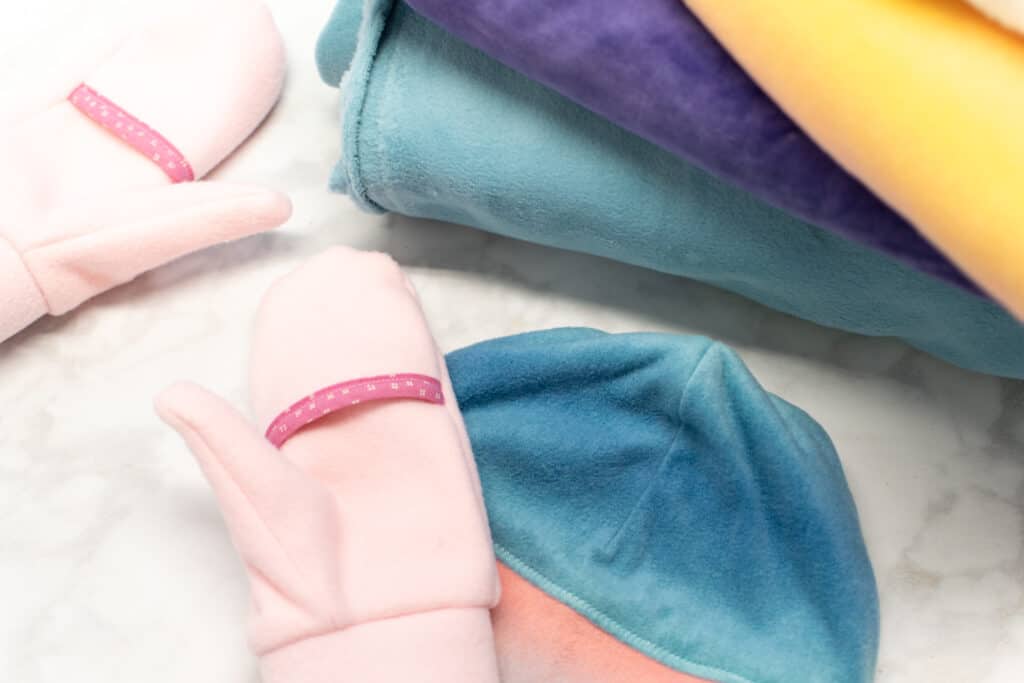
Fleece fabrics are generally made from synthetic fibers, also known as manmade fibers. Most fleeces are made specifically with a type of polyester called polyethylene terephthalate, or PET. However, there are other fleece options made from different types of fibers and fiber blends.
There is a huge range in textures, colors, and thicknesses of fleece fabric. Some fleece fabrics have a very short pile, while others have a longer pile. Some have a smooth surface, while others have a bumpy surface reminiscent of a sheep's fleece. This range of different looks and feels is part of what makes this fabric so versatile.
The Story of Fleece
Fleece fabric was developed in the 1970s by Malden Mills, now known as Polartec, and the outdoor gear company Patagonia. They wanted to create an alternative to wool that retained the durability and insulating properties of wool while being lighter-weight, faster to dry, and easier to clean. In addition, a synthetic alternative to wool would be much cheaper to produce.
Malden Mills, together with Patagonia, created a polyester fleece fabric that they named "Synchilla". They made the decision not to patent the fabric, which opened the market up for other companies to begin producing fleece. This resulted in this wonderful sportswear fabric being widely available at affordable prices.
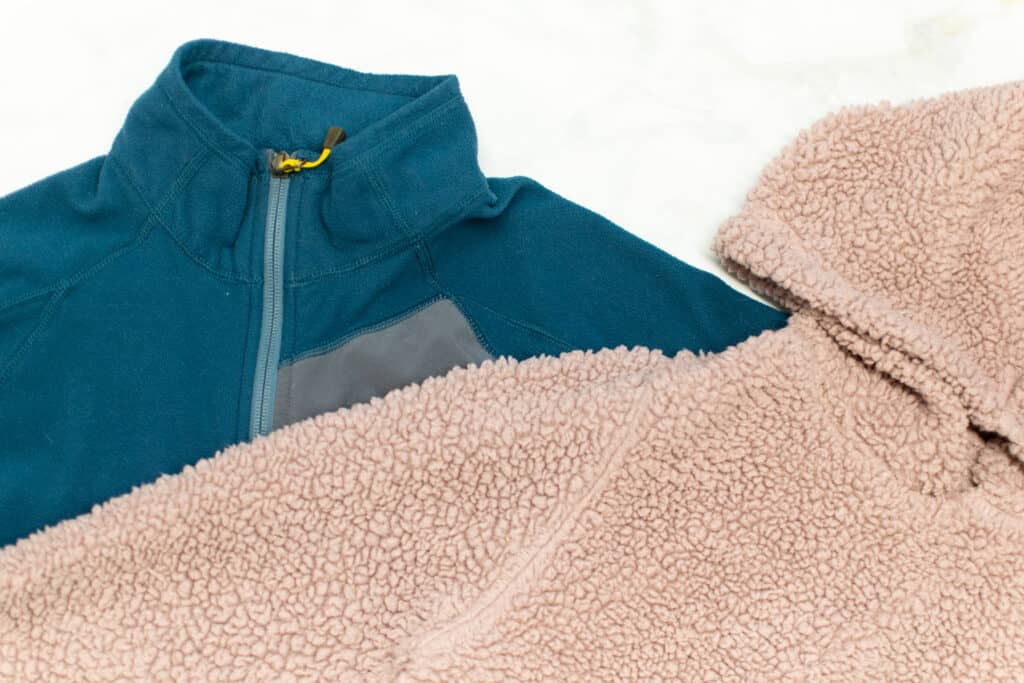
Over time, many clothing brands began to add synthetic fleece fabrics into their clothing lineups. All this while, fleece fabrics were continually being improved - they were lighter-weight, more durable, less prone to pilling, better at wicking sweat - and people fell in love with them. Fleece became popular not only for sportswear and outerwear, but also for loungewear and other casual garments.
Today, fleece is everywhere. And Patagonia - that first outdoorsy company that created fleece - still uses Polartec fleece in their pullovers, hoodies, jackets, and more.
Types of Fleece Fabric (and how to use them)
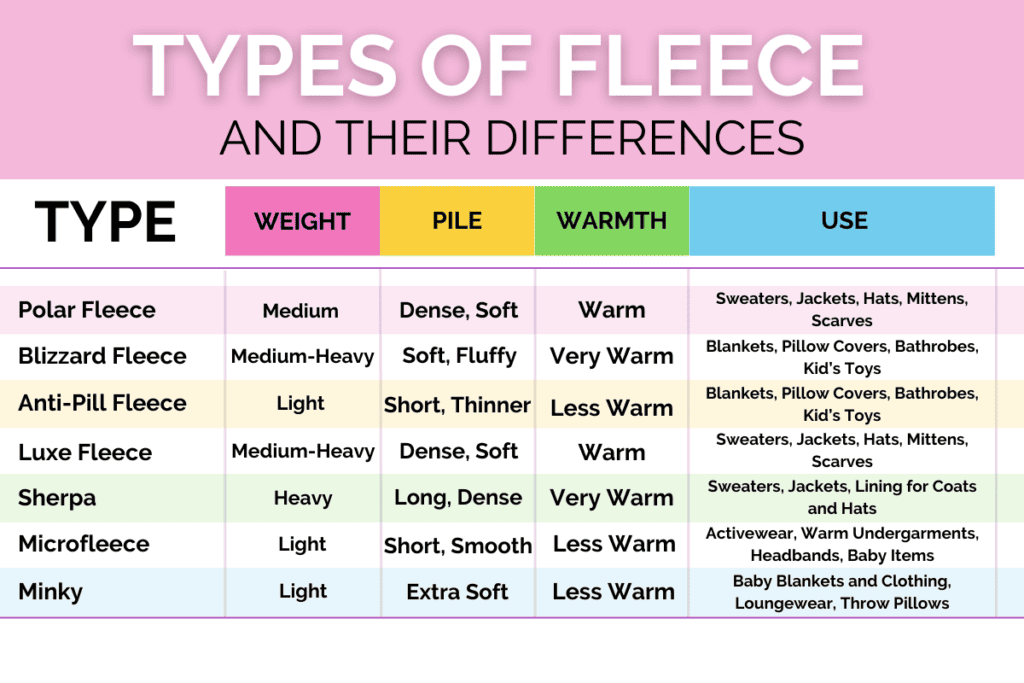
While fleece may have all started with that one Synchilla fleece fabric, today there is a huge range of different types of fleece on the market. Let's talk about a few of the most popular types and how you would use each one.
Polar Fleece
Polar fleece is one of the most common types of fleece - this is the fleece that started it all, the one that Polartec and Patagonia are known for. What sets polar fleece apart from other types of fleece is that it is medium weight, has a short to medium length pile, and the pile is on both sides of the fabric.
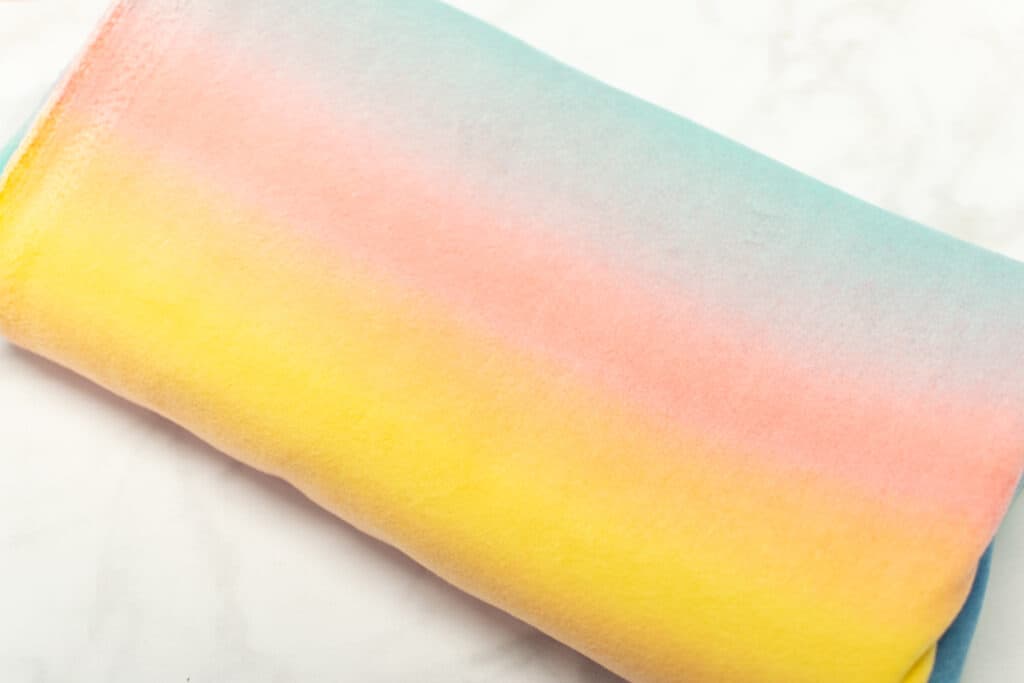
Polar fleece can sometimes pill, but anti-pill versions are available. Usually, higher-quality polar fleeces don't pill. If possible, I would recommend choosing an anti-pill fleece for better, longer-lasting results.
Polar fleece is versatile and a good choice for most projects that call for fleece. It's great for sweaters, jackets, hats, mittens, scarves, and more.
Blizzard Fleece
Blizzard fleece is similar to polar fleece in that it has a double-sided, medium-length pile. However, it tends to be a heavier-weight fabric with a denser pile. It is also usually less expensive than polar fleece. In addition, blizzard fleece can sometimes have a tendency to pill, especially when washed regularly.
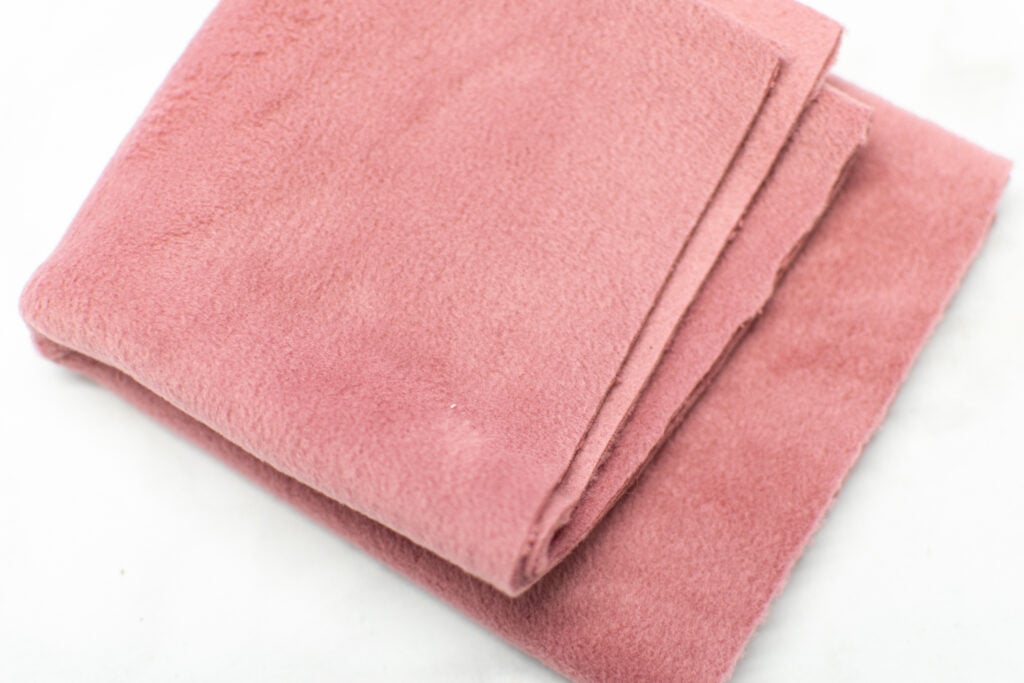
Blizzard is a great choice for blankets, throw pillow covers, bathrobes and other projects that need that thick, cozy feel but won't be washed often. It's also a great affordable option if you'll be making lots of projects at once, such as making tie blankets as gifts.
Anti-Pill Fleece
Anti-pill fleece is a lighter-weight version of blizzard fleece that is treated to prevent pilling. It also tends to be slightly rougher than blizzard against the skin, but the difference in softness isn't all that noticeable unless you are very sensitive. The primary differences between blizzard and anti-pill fleece are that anti-pill is lighter-weight, the pile is not as dense, and it doesn't pill as readily.
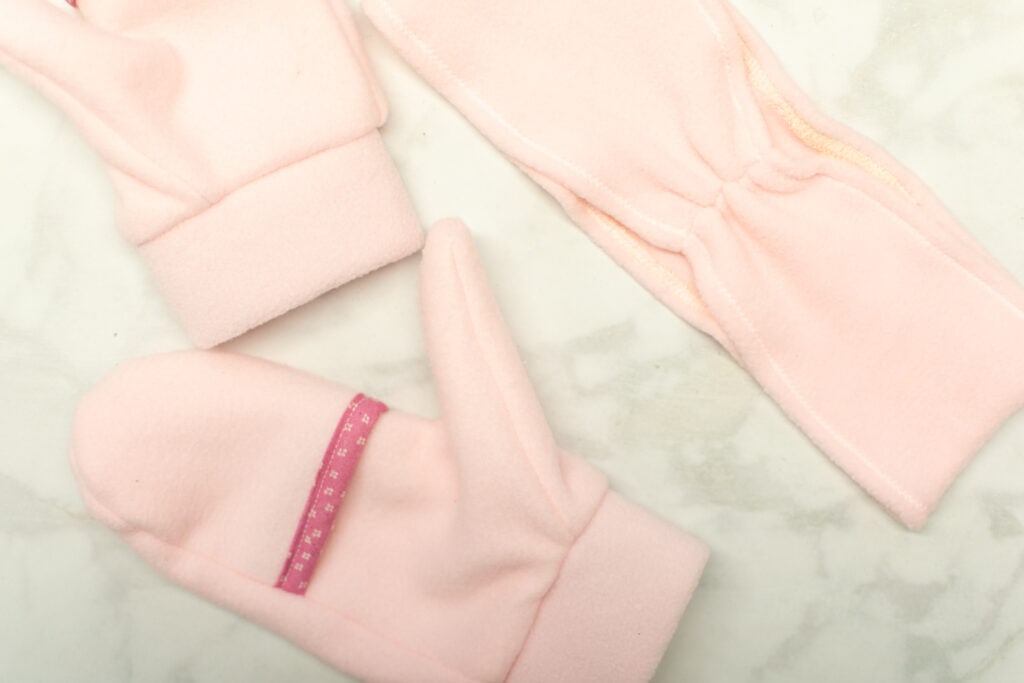
Anti-pill fleece is a great alternative to blizzard fleece for projects that need to be washed regularly. However, it's not the best option for projects that need to be extra-warm because of the lighter weight and less dense pile.
Luxe Fleece
Luxe fleece, like polar fleece, is a great option for fleece clothing projects. This type of fleece has a thick feel and a dense, fluffy, double-sided pile. It also has many of the other qualities of polar fleece that make it so great for sportswear and outdoor clothing: it's soft, breathable, quick to dry, and a great insulator.
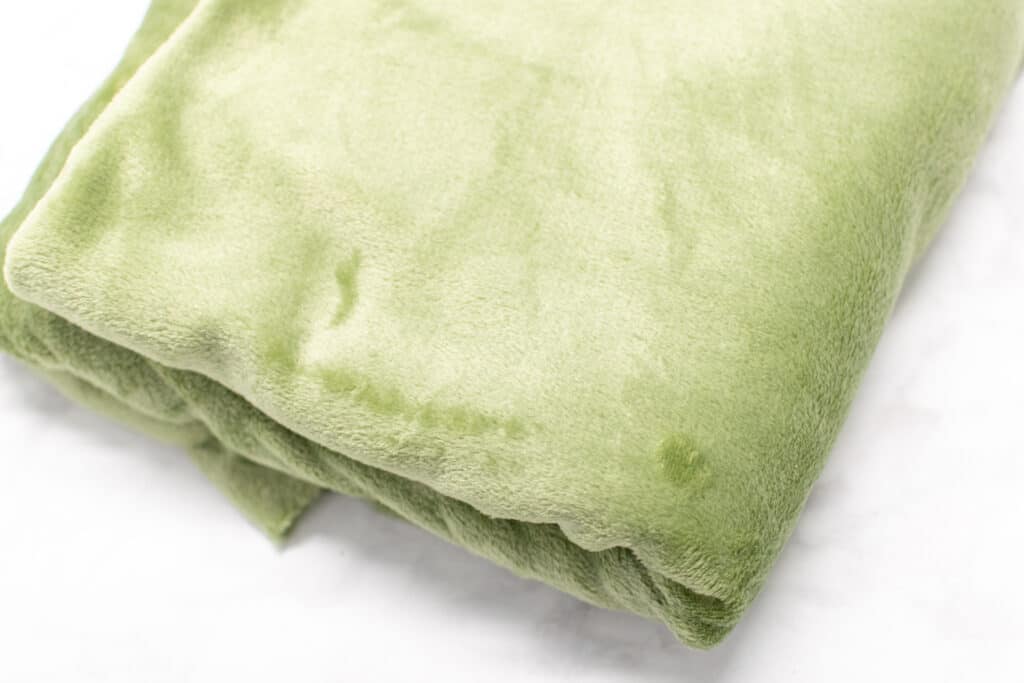
Luxe fleece is one of the best choices for fleece jackets, coats, pullovers, sweaters, hats, mittens, and bathrobes.
Sherpa Fleece
Sherpa has a longer pile than polar fleece and tends to more closely mimic the look of an actual sheep's fleece. It's also sometimes known as "shearling" or "faux sheepskin".
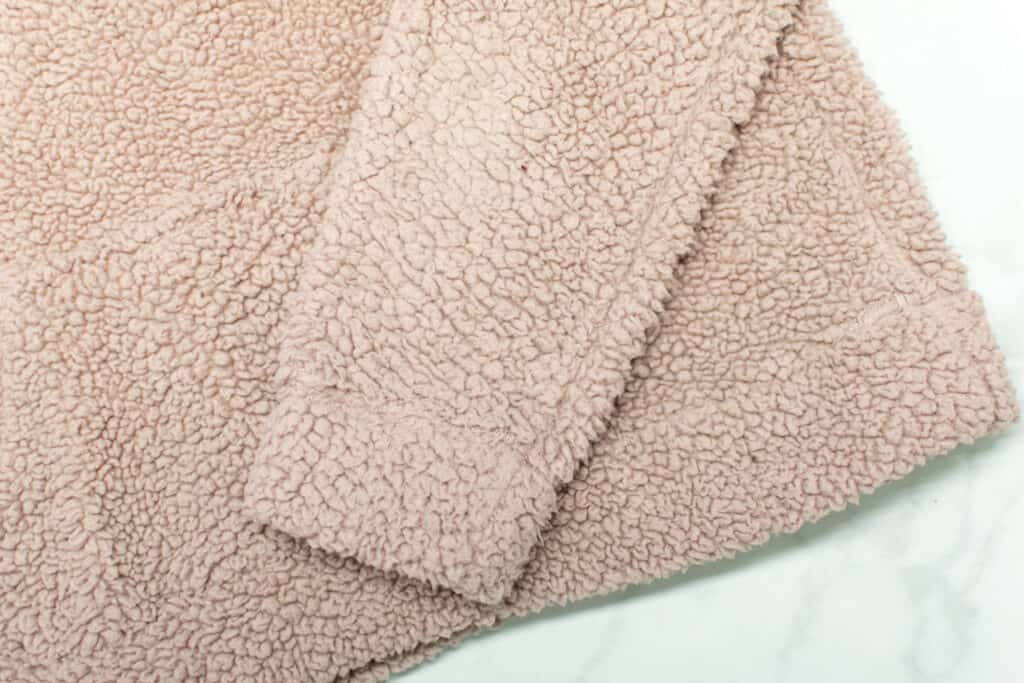
In addition, the pile is only on one side of the fabric in Sherpa. The side opposite the pile is a smooth, knit surface.
Sherpa has become very popular as a fashion fabric because the fluffy sheepskin-like pile brings some drama and fun to a look. It's also a great choice as a lining for an outerwear garment to add a layer of fluffy coziness and warmth against the skin.
Microfleece
Microfleece is a smoother, lighter-weight version of fleece. This type of fleece is made from extra-fine polyester fibers for a soft, plush feel. Like polar fleece, microfleece has a double-sided pile, but is lighter in weight and with a much shorter pile.
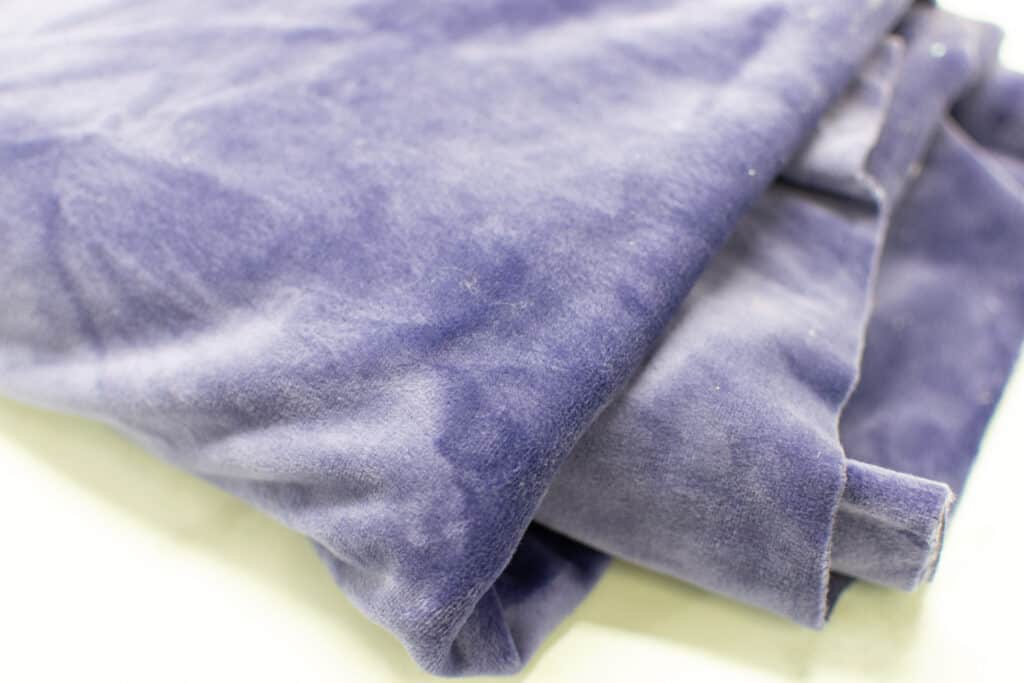
Microfleece isn't as warm or insulating as other fleece options, but it's great for projects that need a smoother, thinner fabric while retaining the soft feel of a fleece. Microfleece is a great option for lightweight sportswear, undergarments, and baby items.
Minky
Minky is one of the softest fleece options on the market. It's made from extremely fine polyester fibers, leading to an ultra-soft and cozy hand-feel. The name "minky" comes from the super soft nature of the fabric; the feel resembles real mink fur.
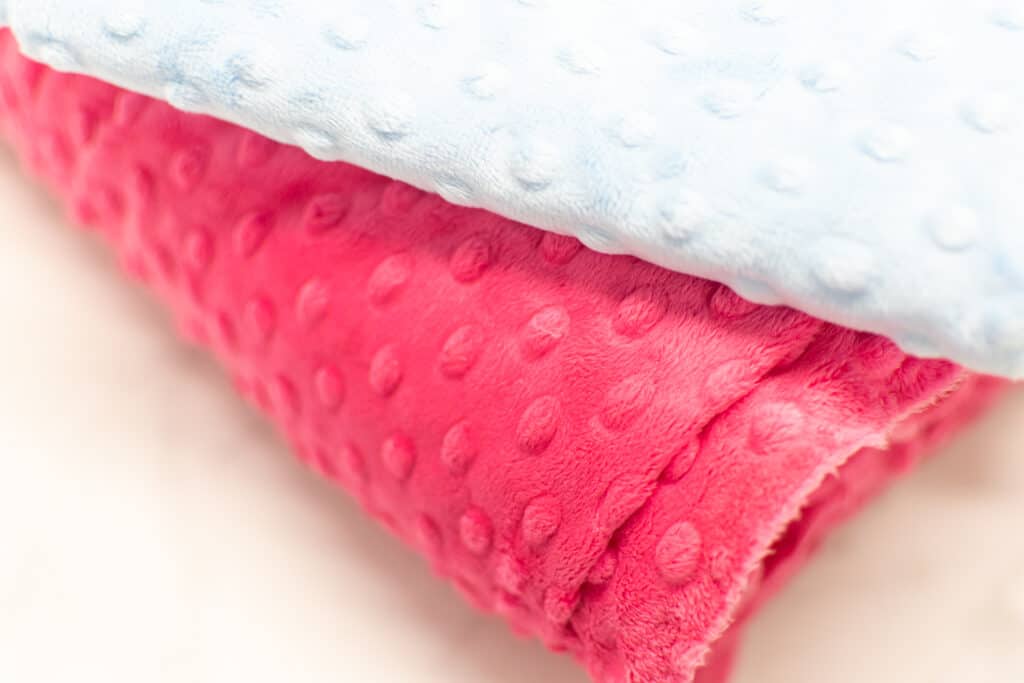
The pile on minky fabric can range from very short to long and fur-like, with most fabrics falling on the shorter end of the spectrum. While most fleece fabrics have a double-sided pile, minky is usually one-sided. The side opposite the cozy pile is usually smooth knit fabric, similar to sherpa.
Minky is a favorite for baby items because of its softness. It's great for baby blankets and clothing, hats, cozy loungewear, and throw pillows.
Free Patterns Perfect for Fleece Fabric
Fleece is a staple fabric - and a great place for beginner sewists to start. Because of this, I've created quite a few patterns that pair wonderfully with fleece fabric.
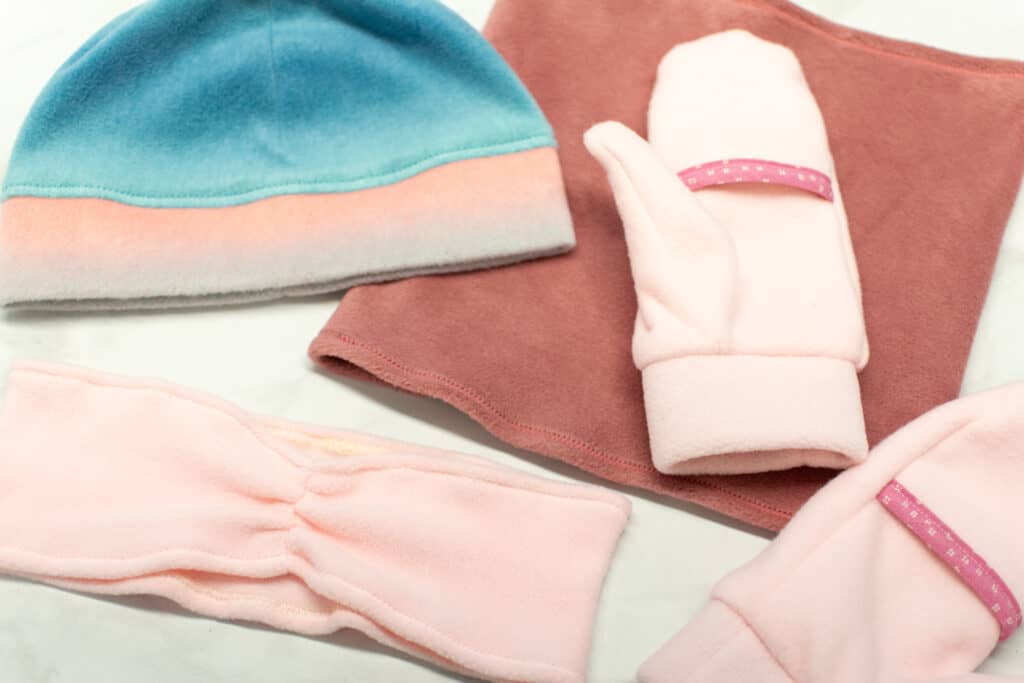
If you're looking for some pattern inspiration to sew fleece, try one of my free downloadable sewing patterns below!
- Fleece Headband
- Fleece Mittens
- Fleece Hat
- Fleece Neck Gaiter
- Minky Blanket
- Quilted Holiday Blanket with Fleece Backing
- Buffalo Plaid Quilt (add a Fleece Backing)
- Pajama Pants
- Dog Bed Sewing Pattern
- Kids Hoodie
- Envelope Pillow Cover
- DIY Scrunchie
- Flannel and Fur Holiday Blanket
- Ruffled Baby Blanket
Supplies for Sewing Fleece
When sewing fleece, for the most part, you'll be using the same sewing supplies you use for other fabrics. However, there are a few specific things to keep on hand if you plan to use fleece in your sewing projects.
Cutting Tools
When cutting fleece, you can use either scissors or a rotary cutter. Using a rotary cutter and mat is what will get you the cleanest cuts, but if you just prefer using scissors - go for it!
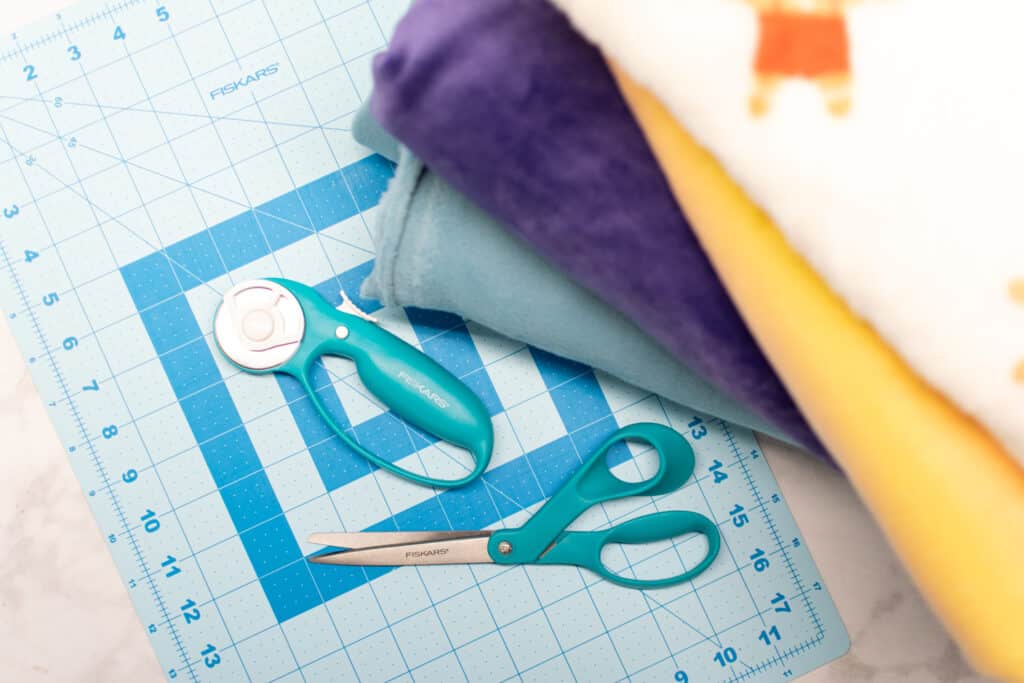
Here are a few of my favorite fabric scissors, rotary cutters, and cutting mats.
- Singer Heavy-Duty Sewing Scissors
- Gingher Dressmaker Shears
- Olfa 45mm Rotary Cutter
- Fiskars 24"x36" Cutting Mat
Pins and Pattern Weights
When cutting fleece, some prefer to use pattern weights rather than pins to hold the pattern pieces to the fabric. Because fleece can be very thick with a dense pile, pins can be difficult to use without accidentally shifting the fabric. In addition, pins sometimes get lost in the pile of a particularly thick fabric.
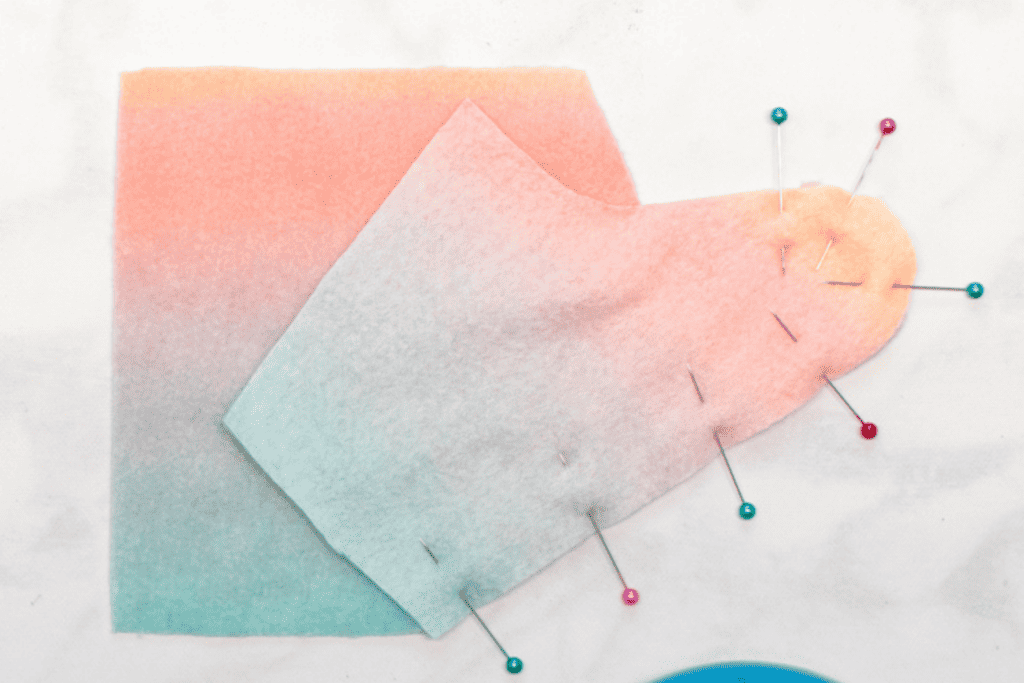
If you prefer to use pins, go for long quilting pins rather than the shorter dressmaking pins. The longer pins are much easier to use on pile fabrics like fleece. Quilting pins are great for holding fleece fabric pieces together while sewing.
Here are a few of my favorite pattern weights and quilting pins for fleece:
- Dritz Pattern Weights
- Flat Head Quilting Pins
Needles
For fleece, a universal needle in size 80/12 usually works great. However, if you're working with a particularly thick fleece, you might move up to a 90/14 needle. Or if your fleece is on the thinner side, you can try a 75/11 needle.
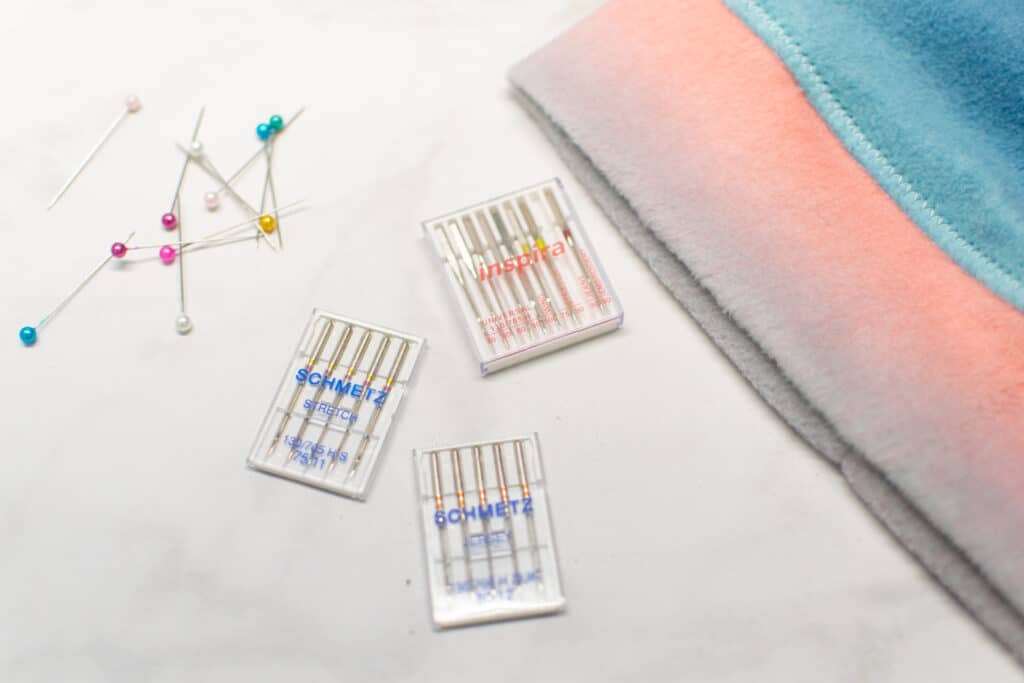
In addition, most fleece fabrics are stretchy. The amount of stretch depends on the fabric. For example, minky fabric has quite a bit of stretch to it. For these types of super-stretchy fabrics, you might get better results with a stretch or ballpoint needle. If you have trouble with skipped stitches using a universal needle, try switching to a stretch or ballpoint needle.
Here are my favorite needles for most fleece fabrics:
- 80/12 Universal Needles
- 75/11 Stretch Needles
- 80/12 Ballpoint/Jersey Needles
Thread
Any high-quality, all-purpose polyester thread will work wonderfully for sewing fleece fabric. Plus, the pile helps you out when it comes to thread! Because the thread practically disappears into the pile of the fabric, matching your thread color to your fabric isn't always necessary with fleece.
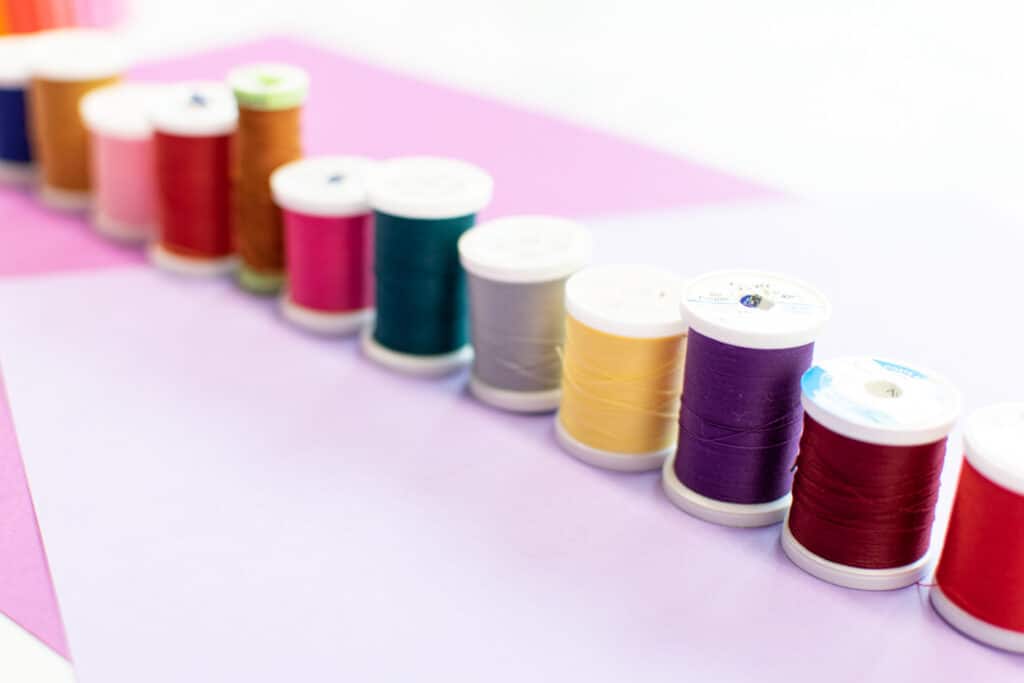
Personally, I like to keep a few spools of black and white thread on hand. Then, I'll pair black thread with darker fleece fabrics and white thread with lighter-colored fabrics.
Here are a few of my go-to all-purpose polyester threads:
- Coats and Clark Dual Duty XP Thread
- Gutermann Sew-All Thread
Walking Foot
Finally, when sewing fleece I highly recommend using a walking foot or the dual feed system on your machine. Fleece can be difficult for a sewing machine to feed smoothly through as it sews. This is because it's thicker than most fabrics, has a textured pile that can catch on the presser foot or feed dogs, and because fleece is stretchy.
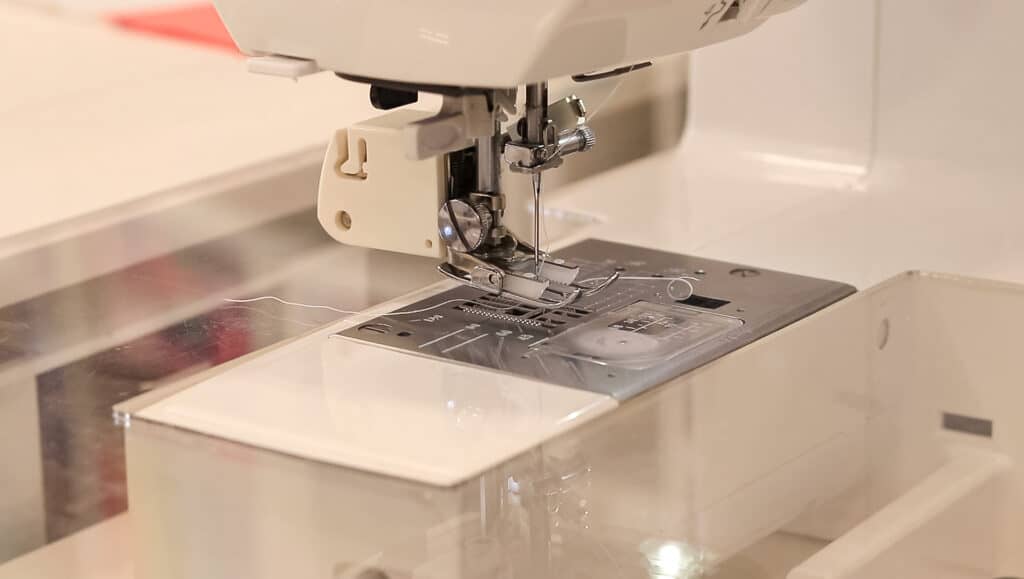
A walking foot is a lifesaver when it comes to fleece! If you're having any trouble with wavy or wonky seams, switch to a walking foot - I promise, it will make a huge difference!
This is the walking foot I use on my machines that don't have dual feed capability:
- Brother SA107 Walking Foot
Tips for Sewing Fleece
If you've never sewn fleece before, you might be wondering if it's difficult to sew. I have good news - fleece is easy to sew, as long as you keep a few simple tips in mind.
Tips for Cutting Fleece
For the most part, cutting fleece is just like cutting any other fabric. However, it is important to keep the "nap" of the fabric in mind when laying out a pattern on fleece fabric. If a fabric has a nap, that means that it has a textured surface that is directional. On this type of fabric, it's important to lay out your pattern pieces all in the same direction.
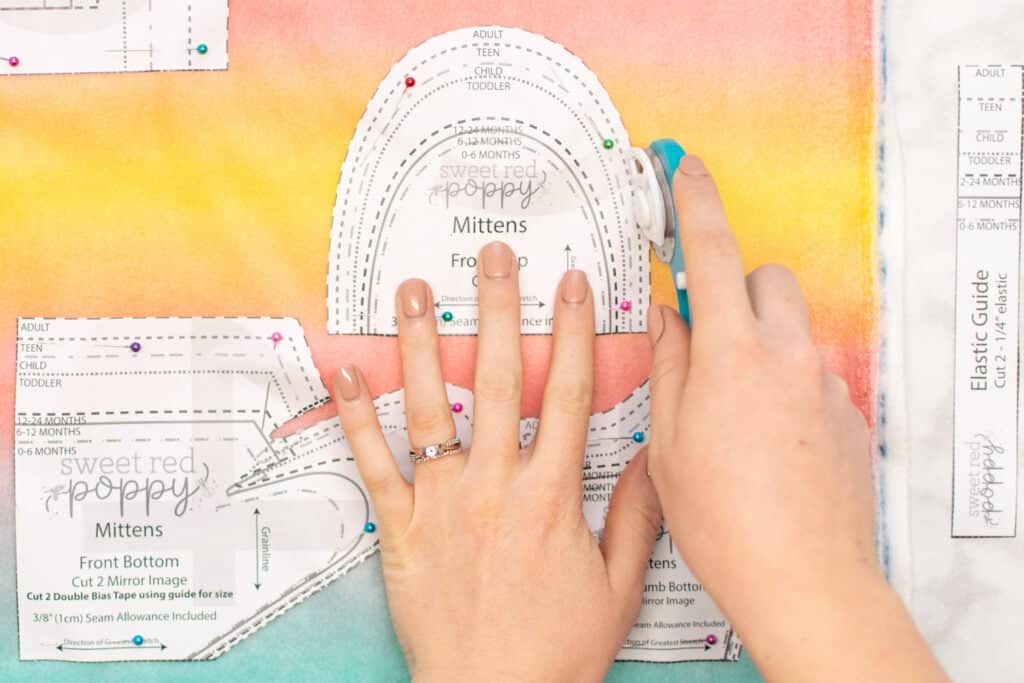
This is very obvious with a long faux fur fabric - the fur is usually brushed in one direction. So, if you were to cut one side of your garment with the fur running towards the bottom and the other side with it running towards the top, the finished garment would look pretty strange!
While fleece isn't usually this obvious, it's still best to lay out your patterns with all the pieces oriented in the same direction. Often, the pile will look quite different on pieces cut in different directions on the fabric.
Marking Fleece Fabric
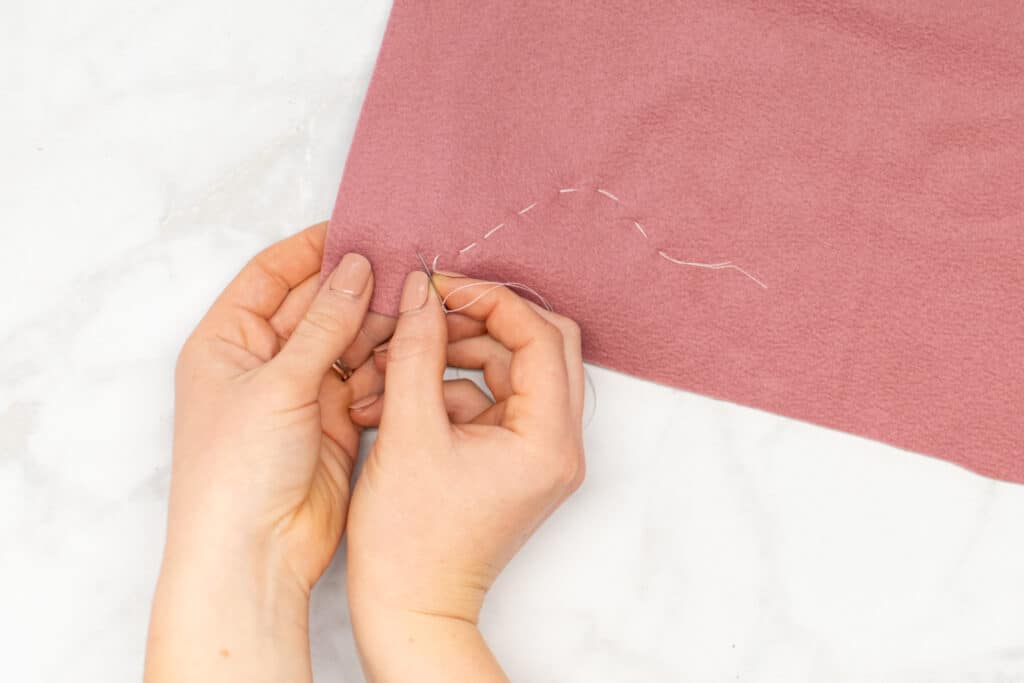
Transferring pattern markings onto fleece fabric can be a real challenge. The textured pile of the fabric isn't a great surface for chalk or fabric marker.
I like to use long, hand-sewn basting stitches in a contrasting thread color to "trace" the pattern markings onto the fabric. These stitches are easy to see, don't shift like chalk markings on a textured fabric, and are easy to remove from the finished project.
Choose the Right Stitch for Fleece Fabric
In most cases, either a long straight stitch or a narrow zigzag stitch is the best option for fleece when sewing with a regular sewing machine. For fleece fabrics that don't have much stretch, the long straight stitch is often the best and easiest option. Try a stitch length of 3 or 3.5mm. If you're working with a stretchy fleece, go for a zigzag stitch instead. I like a width of 1mm and a length of 3mm if I use a zigzag stitch.
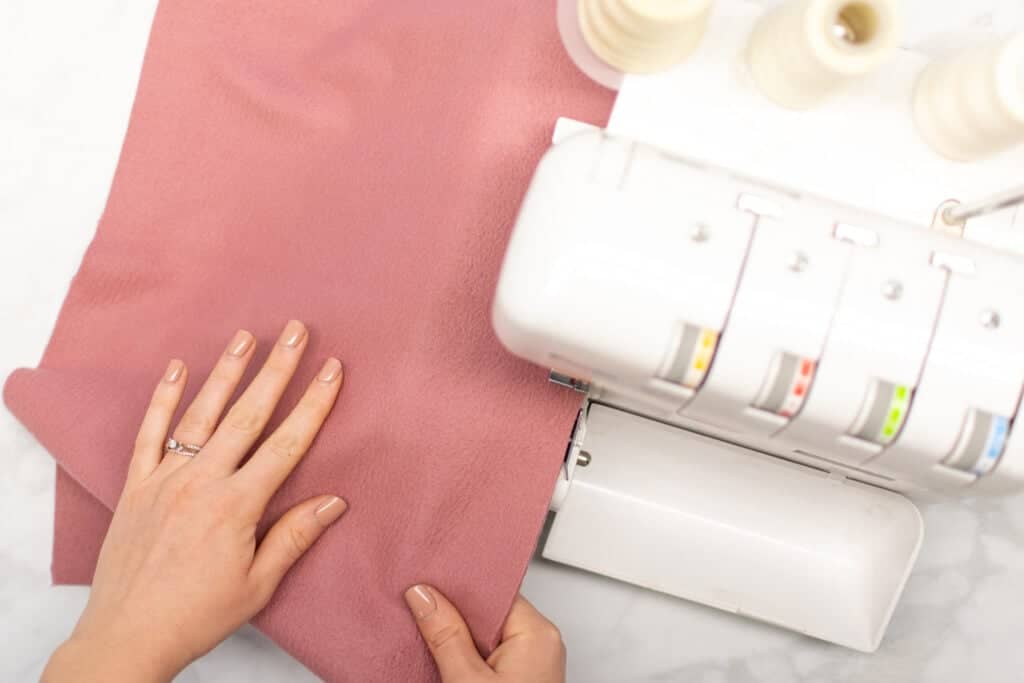
A serger is also a great option for sewing fleece, especially fleece with stretch. I often prefer to stitch my fleece items on my serger. It's faster, easier, allows for stretch, and results in a nice clean seam. If you're sewing fleece with a serger, use a 3- or 4-thread stitch - I usually prefer the 4-thread stitch. If the stitch looks too dense on the thick fleece fabric, try lengthening your stitch. I like a 3 to 3.5mm stitch length.
Adjust the Presser Foot
If you have a walking foot or dual feed capability on your machine, I highly recommend using it. However, if you want to sew fleece with just your regular presser foot, decreasing the presser foot pressure can help the fabric to feed through more easily.
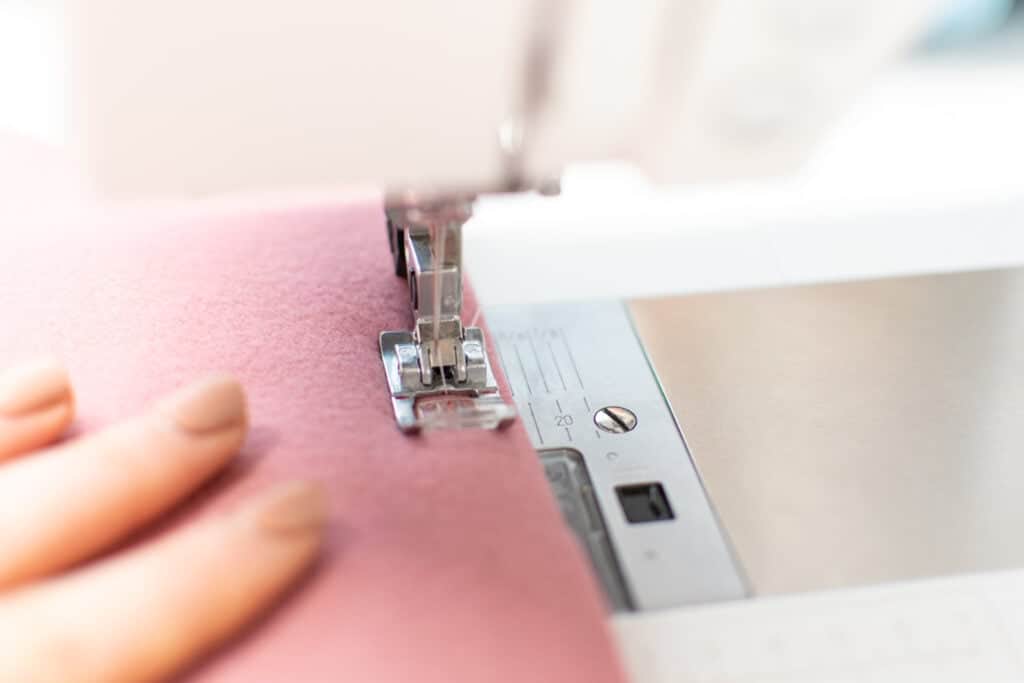
The thick fleece fabric can often get squished under the presser foot and not feed smoothly. Decreasing the pressure on the presser foot can really help the fabric feed through your machine correctly. This is also true when sewing fleece on a serger. If the fabric is not feeding evenly, try reducing the presser foot pressure on your serger.
Ironing Fleece Fabric
Since fleece is almost always made from polyester fibers, it's very sensitive to high heat. Polyester tends to melt when touched by a hot iron - and fleece is no exception!
Avoid using an iron directly on fleece fabric. I usually like to simply finger-press my fleece projects; this means I press them with my fingers and hands, using no heat. However, if you must use heat to get a flat seam, make absolutely sure to place a pressing cloth between your iron and fabric - and set the heat setting low!
Seam Finishes for Fleece
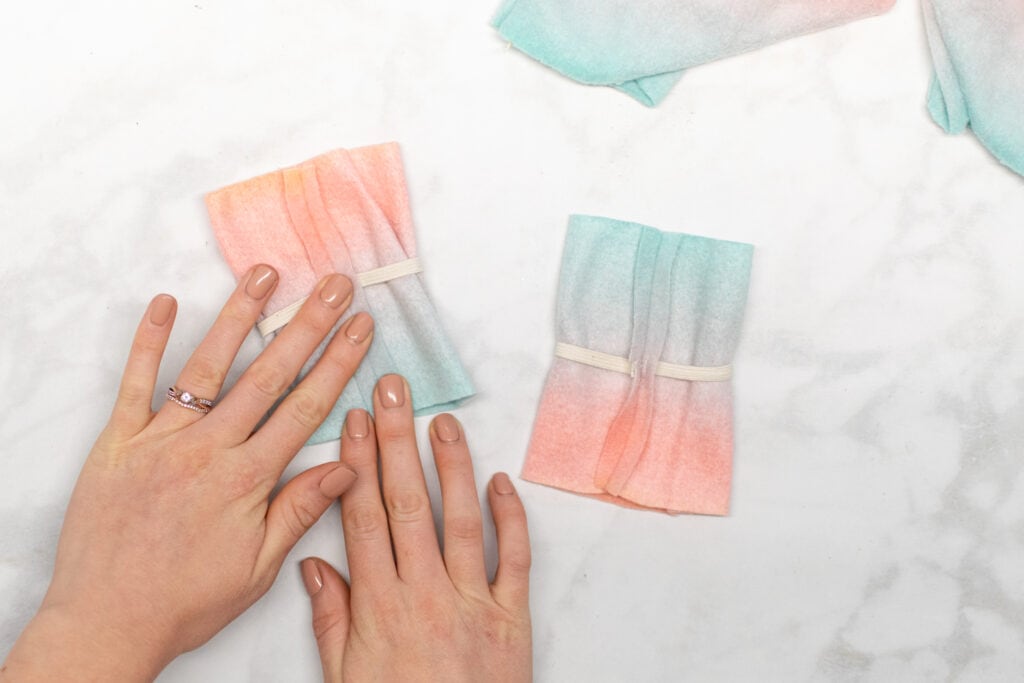
One of my favorite characteristics of fleece is that it doesn't fray. This means that if you don't want to, you don't have to do anything at all to finish your raw edges!
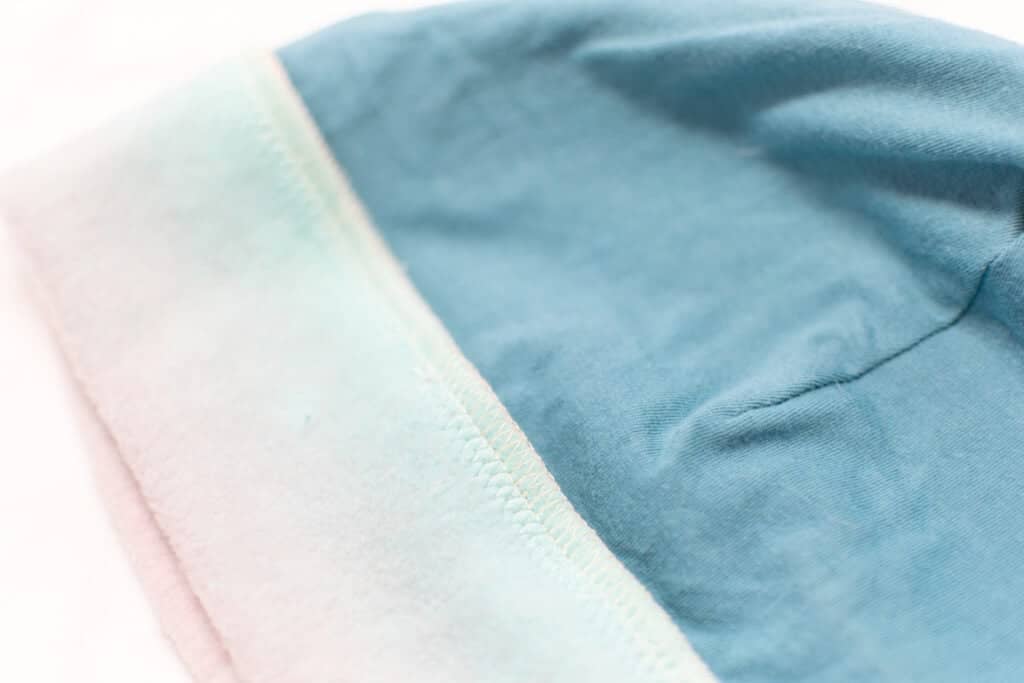
Often, for things like blankets, throw pillows, and kids toys I won't bother finishing any raw edges. However, when I'm sewing clothing items - jackets, coats, pajama pants, hats, and mittens - I almost always finish my seam allowances just because it looks neater.
Here are some of my favorite seam finishes for fleece:
- 3- or 4-thread serger stitch over raw edges
- Zigzag stitch over raw edges
- Flat-fell or mock flat-fell seams
- Pinking shears
Hem Options for Fleece
A traditional double-folded hem is often too heavy with bulky fleece fabrics. To avoid a thick, odd-looking hem, try a more streamlined hem option instead.
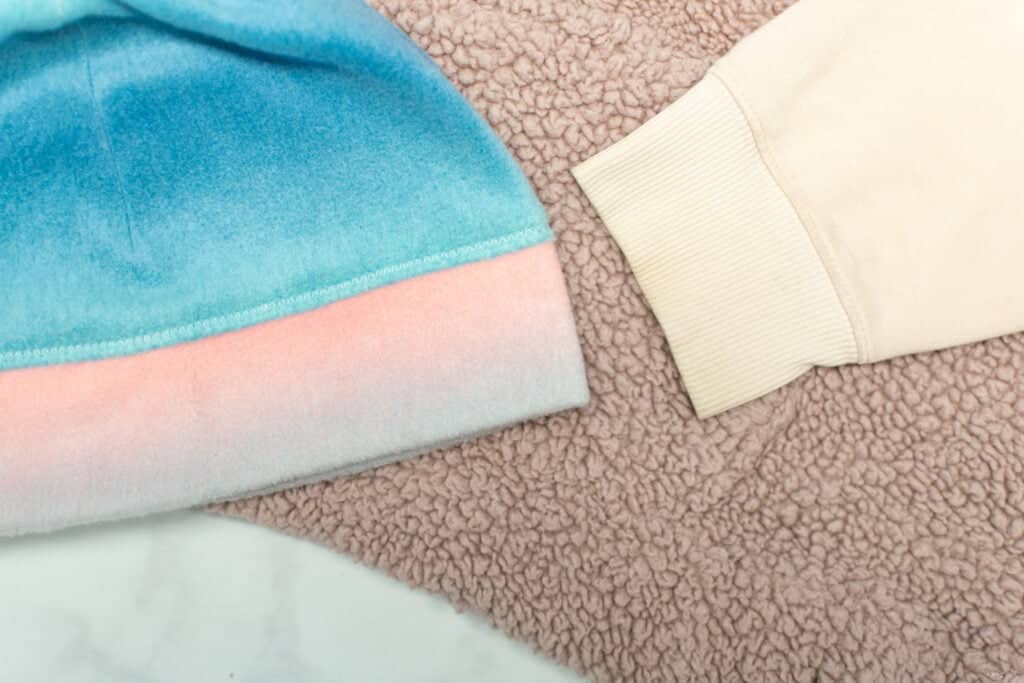
Here are a few of my favorite hems to use with fleece:
- Attach a cuff or band of ribbing to the hem (this is especially common in sweaters and hoodies)
- Bind the hem edge with a smooth, stretch fabric
- Finish the hem edge with a serger, then turn it under once and topstitch
Keep it Simple
I find that simpler is usually better when it comes to fleece. This type of thick, textured fabric doesn't usually translate well into garments with excessive hardware or extra seams. This is why most fleece garments on the market are very simple designs.
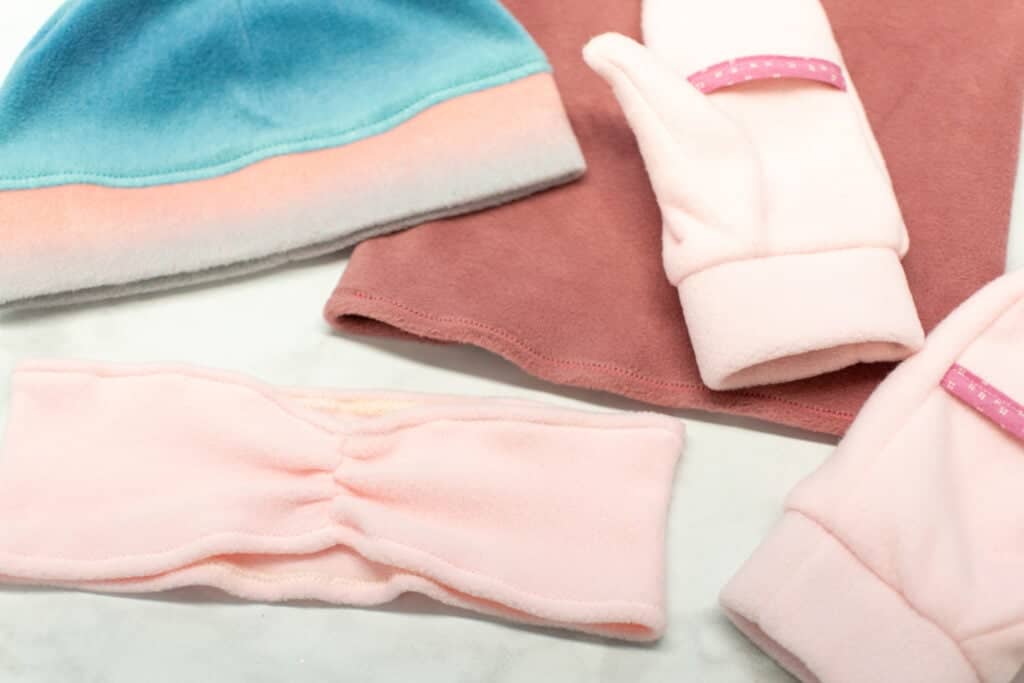
However, if your design needs a zipper, button, or other hardware - make sure to apply a knit interfacing on the inside of the garment opposite the hardware. Fleece is soft and doesn't have the best recovery, so this will provide the fleece with the stability it needs in areas that will receive the most wear.
How to Wash Fleece Fabric
When it comes to care, fleece isn't usually too picky. Make sure to check the care instructions on your particular fabric, because some fleeces hold up better to wash and dry cycles than others. Some of the more durable, garment-quality fleece fabrics can be machine-washed and dried without any special considerations.
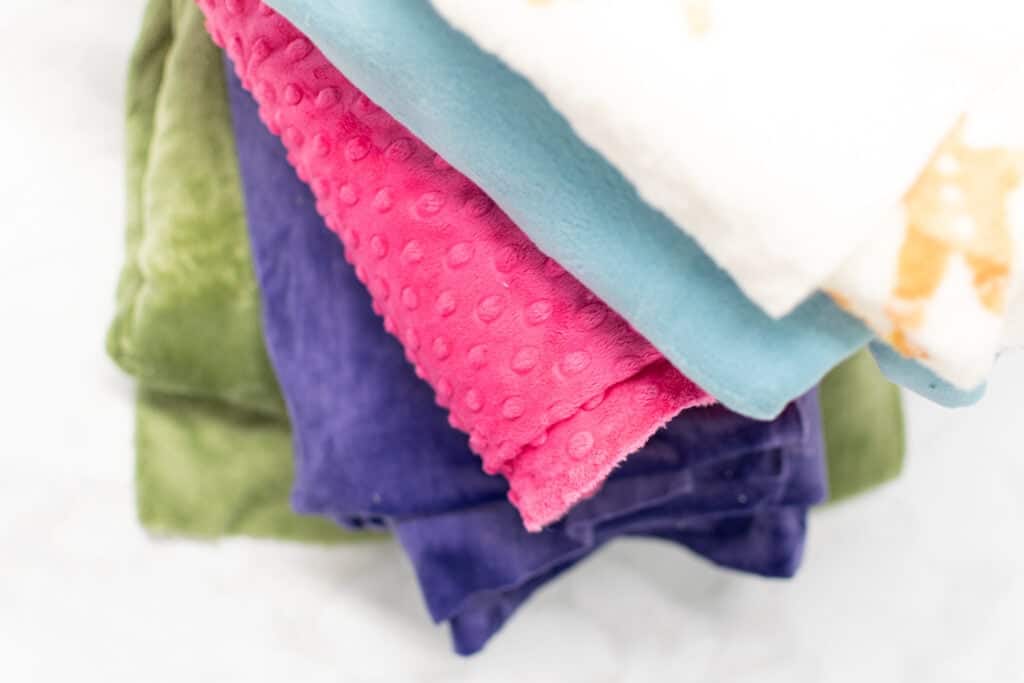
However, for most fleece fabrics, the safest bet is to machine wash cold on the gentle cycle. If possible, use a gentle detergent that won't be too harsh on the soft fabric. Avoid tumble drying, instead hang it or lay the item flat to dry. If you must use the dryer, choose a low-heat, gentle dry setting.
I hope you're feeling a whole lot more confident and ready to take on your next sewing project with this beautiful and versatile fabric. What are you looking forward to sewing with fleece?
You have about the best descriptions of processes I've read! Thank you for your thorough directions, that give beginners a result they can be secure about. I've learned a lot from you, and I'm older and quite experienced!! Thank you for your time and energy...
Great tips on fleece cutting and sewing. But remember, every time this fabric, which is made of plastics, is washed and worn, microfibers are created that we put into our water and land. We even inhale these microplastic fibers. If you can, opt for cotton, wool. or blends that use minimal plastics.